Norse Runes and Their Meanings: The Complete Guide (2026)
Quick Answer: Norse runes were the letters of ancient Germanic alphabets called futharks — a practical writing system first, and a set of symbolic meanings second. Each of the 24 Elder Futhark runes has a name (like Fehu or Algiz) and an associated meaning (like wealth or protection), but most of the mystical interpretations you see online are modern. This guide covers the history, the full rune chart, and how to use rune meanings responsibly.
What Do Norse Runes Mean?
Norse runes belong to a family of ancient alphabets known as futharks, named after their first six letters. Each rune represents a sound, has a traditional name, and carries symbolic associations that developed over centuries. That double nature — letter and symbol at once — is why runes fascinate people far beyond linguistics. But it helps to keep one fact front and center: for the people who carved them, runes were first and foremost a way to write. Memorial stones, ownership marks, short messages, even graffiti — the vast majority of surviving runic inscriptions are everyday writing, not spells.
Elder Futhark Runes and Their Meanings
The Elder Futhark is the oldest complete runic alphabet, with 24 runes. It was used by early Germanic peoples roughly from the 2nd to the 8th century — which means it actually predates the Viking Age. (The Vikings themselves mostly wrote with the later, shorter Younger Futhark.) Here are ten of the most well-known runes to start with:
| Rune | Name | Meaning |
|---|---|---|
| ᚠ | Fehu | Wealth, cattle, prosperity |
| ᚢ | Uruz | Strength, endurance, vitality |
| ᚦ | Thurisaz | Reactive force, defense, conflict |
| ᚨ | Ansuz | Wisdom, communication, Odin |
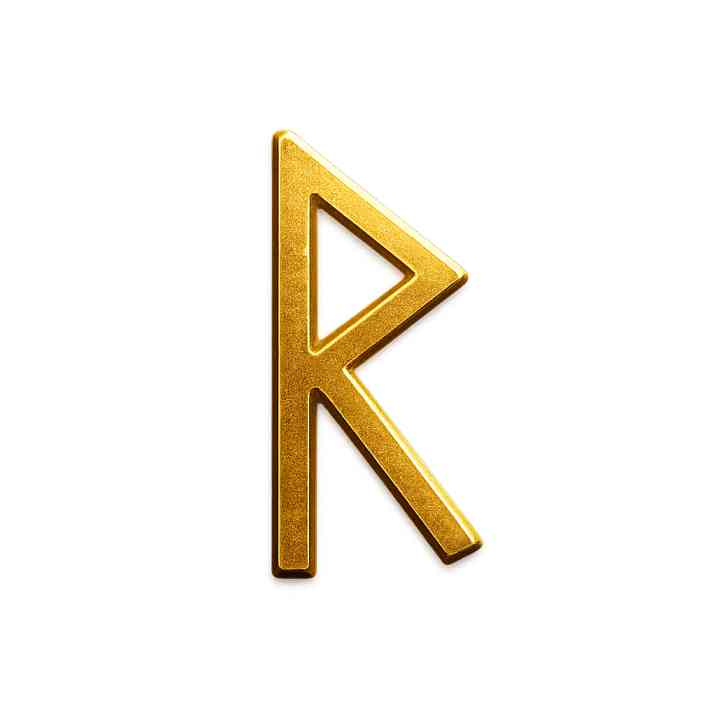
| ᚱ | Raidho | Journey, movement, rhythm |
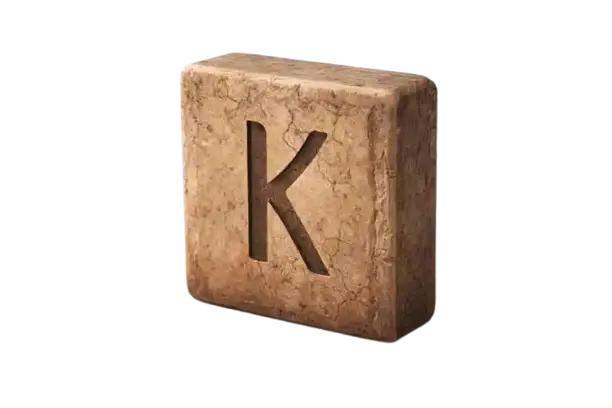
| ᚲ | Kenaz | Knowledge, creativity, illumination |
| ᚷ | Gebo | Gift, partnership, balance |
| ᛋ | Sowilo | Success, energy, victory |
| ᛏ | Tiwaz | Honor, courage, justice |
| ᛞ | Dagaz | Breakthrough, transformation, daylight |
Detailed Rune Meanings
Fehu — Wealth and Prosperity
Fehu literally means “cattle,” which in an early Germanic economy meant movable wealth. Today it is associated with prosperity, success, and abundance — and it is one of the most requested runes for tattoos and jewelry.
Uruz — Strength and Endurance
Uruz means “aurochs,” the wild ox. It symbolizes raw physical strength, endurance, and vitality — the power to persist through hardship rather than flashy dominance.
Algiz — Protection and Defense
Shaped like an upraised hand or elk antlers, Algiz is the classic protection rune. It appears in amulets and is a popular tattoo choice for people seeking a symbol of safety and spiritual defense.
Thurisaz — Power and Conflict
Thurisaz is linked to Thor and to reactive, defensive power — the thorn that protects the rose. It represents facing opposition head-on, but also warns against reckless aggression.
Inguz — Fertility and New Beginnings
Inguz is associated with the god Ing (Freyr) and symbolizes fertility, growth, and fresh starts — the seed planted before it sprouts.
Jera — Cycles and Reward
Jera means “harvest” or “year.” It represents natural cycles, patience, and earned reward — the idea that consistent effort eventually pays off.
Norse Rune Meanings by Theme
People often look for a rune that matches an intention. Common associations include:
- Protection → Algiz, Thurisaz
- Strength → Uruz, Tiwaz
- Success → Sowilo, Fehu
- Love and partnership → Gebo
- Wisdom and communication → Ansuz
Treat these as traditional and modern associations, not as a shopping list with guaranteed effects. Combining runes into new symbols (bind runes) is a separate practice with its own history — see below.
Norse Rune Tattoos and Their Meanings
Runes are among the most requested Viking tattoo designs, and understanding a rune’s meaning before inking it is essential — mistakes on skin are permanent. Popular choices include Algiz for protection, Tiwaz for courage, Sowilo for success, and Fehu for prosperity. Two warnings worth taking seriously. First, always verify the spelling and the rune system: a surprising number of tattoo designs mix Elder and Younger Futhark or misspell the intended word. Second, a small number of runes and symbols have been appropriated by extremist groups — check any design against a reliable source before committing. When in doubt, run your design through our Old Norse Tattoo Checker and have it verified by someone who reads runes.
Norse Mythology and Runes
In Norse mythology, Odin is said to have hung on the world tree Yggdrasil for nine nights to win the secret of the runes. Stories like this gave runes an aura of mystery and power, and later traditions connected them with magic, charms, and divination. Be aware of the gap between myth and history here. The archaeological record shows runes used mainly for practical writing. Most of the elaborate “magical rune meanings” circulating today were developed by 19th- and 20th-century occultists, not by Viking-Age carvers. Both layers are interesting — just don’t confuse them.
Bind Runes and Their Meanings
A bind rune combines two or more runes into a single symbol, usually to merge their meanings — protection plus strength, for example. They appear occasionally in historical inscriptions (often to save space), but the elaborate intention-based bind runes popular today are largely a modern practice. If you design one, keep it simple, use runes from a single futhark, and understand each component’s meaning first. Random combinations chosen for looks alone are the most common mistake.
The Norse Rune Alphabet at a Glance
The full Elder Futhark has 24 runes; the Viking-Age Younger Futhark has only 16. If your goal is historically accurate Viking-era writing, the Younger Futhark is the correct choice — writing Old Norse in Elder Futhark, as much modern artwork does, is an anachronism. Our Elder vs Younger Futhark guide explains the differences in detail.
Rune Meanings vs Rune Translation
An important distinction: rune meanings are symbolic interpretations, while rune translation is letter conversion. A rune translator doesn’t translate meaning — it converts your letters into runic symbols, one by one.
- To convert text into runes, use our Rune Translator or Rune Converter.
- To translate actual words into the Old Norse language, use our Old Norse Translator.
How to Use Rune Meanings Correctly
- Learn the history first: runes were an alphabet before they were symbols.
- Don’t mix futharks in a single inscription or tattoo.
- Verify spellings with a real source, not a random image search.
- For anything permanent, get a second opinion from someone who reads runes.
Common Mistakes to Avoid
- Treating runes as a full magical language rather than a writing system.
- Ignoring cultural and historical context.
- Mixing Elder Futhark, Younger Futhark, and Anglo-Saxon runes together.
- Trusting generic machine translation for Old Norse words.
Explore Our Rune Tools
- Rune Translator — convert text into runes and back.
- Rune Converter — format and style rune output.
- Younger Futhark Translator — the Viking-Age alphabet.
- Rune Keyboard — type runes directly.
- Elder vs Younger Futhark — which system to use.
- Rune Transliteration Guide — read inscriptions step by step.
- Old Norse Tattoo Checker — verify before you ink.
Conclusion
Norse runes reward honest curiosity: they were a real writing system used by real people, and their symbolic meanings grew richer over time. Learn the alphabet, respect the history, verify before you carve or ink anything — and you’ll get far more out of runes than any mystical shortcut promises.
FAQs
What do Norse runes mean?
Each rune is a letter with a traditional name and symbolic associations — Fehu means wealth, Algiz means protection, and so on. But remember they were a practical alphabet first; most mystical interpretations are modern additions.
What is the most powerful rune?
There is no historically “most powerful” rune. In modern symbolic use, Algiz (protection) and Sowilo (success) are the most popular choices.
Can I use Norse runes for tattoos?
Yes, but verify the meaning, the spelling, and the rune system first — and check that the design doesn’t use symbols appropriated by extremist groups. Our tattoo checker can help with the first step.
Are Norse runes real?
Yes. Runes were real writing systems used by Germanic peoples for centuries, with thousands of surviving inscriptions. What isn’t real is most of the “ancient rune magic” sold online — that’s largely a modern invention.
Which futhark did the Vikings actually use?
The Younger Futhark — the 16-rune alphabet of the Viking Age. The popular 24-rune Elder Futhark predates the Vikings by centuries.
Are rune meanings historically accurate?
The letter values and names are historical. Many of the detailed spiritual meanings are modern interpretations layered on later. A good rule: alphabet = history, mysticism = mostly modern.
About the author: Adeel Shahzad is the creator of Norse Translator Hub, an independent project making Old Norse language and runes easier to explore. He builds the site’s dictionary-based translation tools and writes its reference guides, drawing on public-domain sources like Cleasby & Vigfusson’s Icelandic-English Dictionary. Read more on the About page.