Norse Runes and Their Meanings: Complete A–Z Glossary

Ancient Norse runes combined language, symbolism, spirituality, and Viking cultural identity into one powerful system.

Norse runes are among the most recognizable symbols from Viking-age Scandinavia. Originally used as a writing system, runes later became connected with mythology, protection, magic, ancestry, and spiritual symbolism. This guide explains Norse runes and their meanings, including the Elder Futhark alphabet, rune symbolism, historical context, and interpretations of major runic symbols like Algiz and Othala.

Quick Answer

Norse runes were characters used in ancient Germanic and Viking-age writing systems called runic alphabets. The most famous system, Elder Futhark, contains 24 runes, each with symbolic meanings connected to protection, strength, destiny, travel, prosperity, and spiritual beliefs in Norse culture and mythology.

What Are Norse Runes?

Norse runes were letters used by Germanic and Scandinavian peoples before the Latin alphabet became dominant.

These symbols appeared on:

  • Stones
  • Weapons
  • Jewelry
  • Memorial carvings
  • Wooden objects
  • Viking artifacts

Unlike modern alphabets, runes carried both phonetic and symbolic meaning.

Norse Rune Meaning Explained

Each rune represented:

  • A sound
  • A concept
  • A symbolic force
  • A cultural idea

For example:

  • Fehu symbolized wealth
  • Algiz represented protection
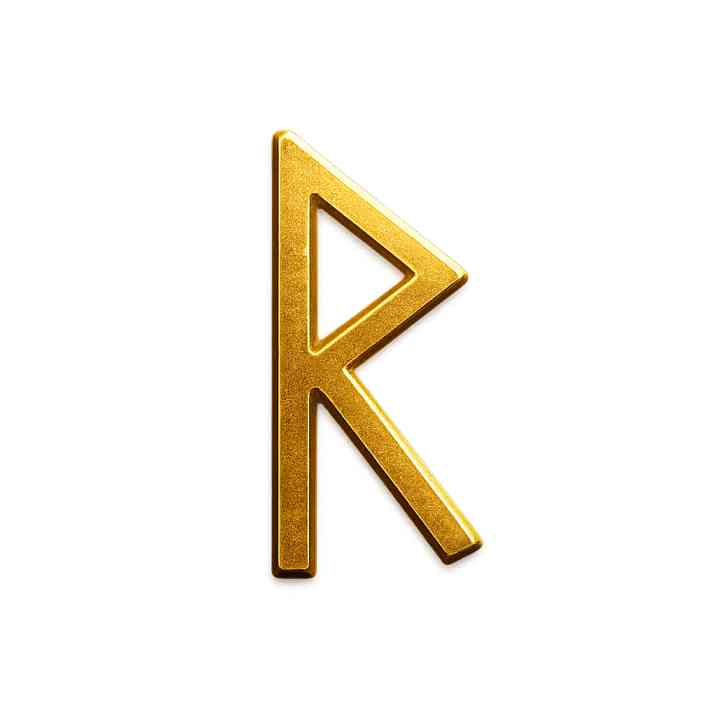
  • Raidho related to journeys and movement

From what we’ve seen in historical inscriptions, runes were primarily practical writing tools first, though some also carried ritual and spiritual importance.

The Elder Futhark Rune System

The Elder Futhark is the oldest and most famous Norse runic alphabet.

Why Is It Called Futhark?

The name comes from the first six runes:

  • F — Fehu
  • U — Uruz
  • Þ — Thurisaz
  • A — Ansuz
  • R — Raidho
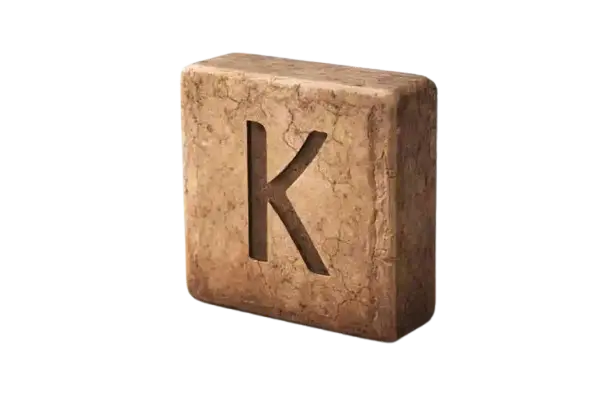
  • K — Kenaz

Together, they form the word “Futhark.”

Elder Futhark Structure

GroupNumber of Runes
First Aett8
Second Aett8
Third Aett8

The complete Elder Futhark contains 24 runes.

Norse Runes and Their Meanings

Complete Norse Rune Meanings Table

RuneNameMeaning
FehuWealth and prosperity
UruzStrength and endurance
ThurisazProtection and conflict
AnsuzWisdom and communication
RaidhoJourney and movement
KenazKnowledge and creativity
GeboGifts and partnership
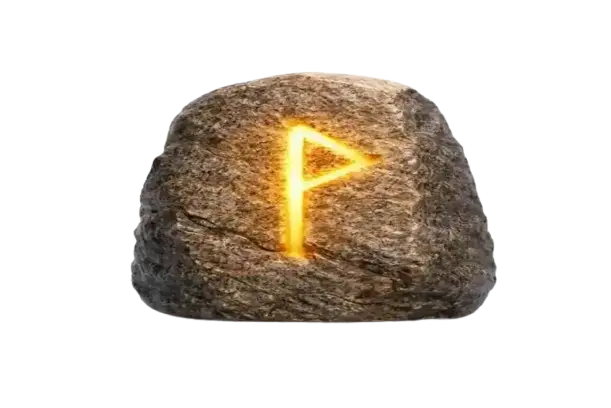
WunjoJoy and harmony
HagalazDisruption and transformation
NauthizNeed and resilience
IsaIce and stillness
JeraHarvest and cycles
EihwazEndurance and protection
PerthroMystery and fate
AlgizProtection and spiritual defense
SowiloSun and success
TiwazJustice and honor
BerkanoGrowth and renewal
EhwazTrust and partnership
MannazHumanity and self-awareness
LaguzWater and intuition
IngwazFertility and potential
DagazAwakening and transformation
Othala/OdalHeritage and ancestry

Algiz Norse Rune Meaning

Algiz is one of the most recognized Norse rune symbols.

What Does Algiz Represent?

Algiz is associated with:

  • Protection
  • Spiritual defense
  • Awareness
  • Survival

Its shape resembles raised arms or protective antlers, which contributed to its symbolic interpretation in later Norse traditions.

Historically, the exact ancient meaning is debated, but modern interpretations strongly connect Algiz with safeguarding and resilience.

Odal Rune Meaning in Norse Tradition

The Odal or Othala rune symbolizes:

  • Heritage
  • Family inheritance
  • Homeland
  • Ancestral identity

Othala Rune Symbolism

In Viking-age Scandinavia, ancestry and land ownership were deeply important social concepts. That cultural connection likely influenced the rune’s symbolic meaning.

Today, Othala is commonly linked to:

  • Roots
  • Legacy
  • Generational continuity

Ancient Norse Runes vs Modern Rune Interpretations

Modern rune meanings often combine:

  • Historical sources
  • Esoteric traditions
  • Contemporary spirituality

However, original Norse rune use was more practical and linguistic than mystical.

Historical Rune Usage

Runes were used for:

  • Marking ownership
  • Memorial inscriptions
  • Trade records
  • Short messages
  • Religious carvings

Some inscriptions may have carried ritual significance, but historians remain cautious about exaggerated mystical claims.

Norse Rune Symbols and Their Meanings in Viking Culture

Runes held cultural importance because literacy itself carried status and power.

Where Runes Appeared

ObjectPurpose
Rune stonesMemorials and achievements
WeaponsOwnership and symbolism
JewelryIdentity and protection
AmuletsSpiritual associations
Wooden sticksCommunication

In Norse tradition, runes connected language, memory, and identity.

Old Norse Runes and Mythological Connections

Norse mythology links runes directly to Odin.

Odin and the Discovery of Runes

According to myth, Odin hung from Yggdrasil for nine nights and sacrificed himself to gain rune knowledge.

This story connected runes with:

  • Wisdom
  • Sacrifice
  • Hidden knowledge
  • Spiritual power

That mythological connection helped elevate runes beyond ordinary writing symbols.

Detailed A–Z Rune Glossary

Runes Connected to Strength

RuneSymbolism
UruzPhysical strength
TiwazWarrior honor
AlgizProtection
EihwazEndurance

Runes Connected to Prosperity

RuneSymbolism
FehuWealth
JeraReward and harvest
IngwazFertility and growth

Runes Connected to Wisdom

RuneSymbolism
AnsuzCommunication
KenazKnowledge
MannazSelf-awareness

Runes Connected to Transformation

RuneSymbolism
DagazAwakening
HagalazChange
PerthroMystery

Norse Runes in Modern Culture

Today, Norse rune symbols appear in:

  • Tattoos
  • Jewelry
  • Video games
  • Fantasy fiction
  • Scandinavian art
  • Spiritual practices

Rune Tattoos and Symbolism

Many people choose rune tattoos for personal meaning such as:

  • Protection
  • Courage
  • Heritage
  • Guidance
  • Transformation

From what we’ve seen historically, however, Viking-age rune use was usually simpler and more direct than many modern mystical interpretations suggest.

Common Misconceptions About Norse Runes

Runes Were Not Only Magical Symbols

One of the biggest misunderstandings is assuming every rune was used for magic. Most runic inscriptions were practical written communication.

Vikings Did Not Use One Universal Rune System

Different rune alphabets evolved across regions and time periods, including:

  • Elder Futhark
  • Younger Futhark
  • Anglo-Saxon Futhorc

Modern Meanings Often Expand Ancient Interpretations

Some modern rune guides add spiritual meanings not directly supported by historical evidence.

Pro Tips and Insider Insights

Rune Stones Were Public Memory Markers

Historically, rune stones often commemorated people, journeys, or achievements rather than serving purely mystical functions.

Odin’s Rune Story Influenced Later Symbolism

The myth of Odin discovering the runes helped connect literacy with divine wisdom in Norse tradition.

Younger Futhark Was Common During the Viking Age

Although Elder Futhark is more popular online today, many actual Viking-era inscriptions used Younger Futhark.

Rune Meanings Were Contextual

The same rune could carry different symbolic interpretations depending on region, inscription style, and cultural context.

FAQs

What are Norse runes?

Norse runes are characters from ancient Germanic and Scandinavian writing systems used before the Latin alphabet became widespread. They served both phonetic and symbolic purposes in Viking-age culture and Norse society.

How many Norse runes are there?

The Elder Futhark rune system contains 24 runes divided into three groups called aetts. Later systems like Younger Futhark used fewer characters during the Viking Age.

What does the Algiz rune mean?

The Algiz rune is commonly associated with protection, defense, awareness, and spiritual safeguarding. Modern interpretations often connect it with resilience and survival.

What is the Othala rune meaning?

The Othala or Odal rune symbolizes heritage, ancestry, inheritance, homeland, and family legacy. It reflects the importance of land and lineage in Norse culture.

Did Vikings actually use runes?

Yes. Vikings used runes for inscriptions on stones, weapons, jewelry, memorials, and everyday objects. Rune writing was a real part of Scandinavian communication and culture.

Are Norse runes connected to Odin?

According to Norse mythology, Odin discovered the runes after sacrificing himself on Yggdrasil. This myth connected runes with wisdom, knowledge, and spiritual understanding.

Are modern rune meanings historically accurate?

Some are historically grounded, while others are modern spiritual interpretations. Historians generally agree that many online rune meanings expand beyond the original Viking-age usage.

Conclusion

Norse runes represent far more than ancient symbols carved into stone. They reveal how Viking-age Scandinavians communicated, preserved memory, expressed identity, and connected language with symbolism. From practical inscriptions to mythological associations with Odin, runes remain one of the most enduring parts of Norse cultural history.

Final Verdict

Understanding Norse runes and their meanings provides valuable insight into Old Norse language, Viking society, mythology, and Scandinavian symbolism. Whether someone studies runes academically, explores Norse heritage, or connects with their symbolic meanings through modern art and tattoos, the runic tradition remains deeply influential centuries later.

Important Guides

If you want to explore Norse mythology, Viking symbols, and Old Norse culture more deeply, these related guides expand on topics covered in this article:

Old Norse Language Guide: Words, Origins & Meaningsr Futhark Guide A–Z

Norse Meaning: The Complete Guide to Norse Words, Symbols & Mythology

Norse Mythology: Gods, Creation Story & Religion Explained

Norse Symbols and Meanings Explained

Norse Tattoos Meanings: Viking Rune & Symbol Tattoo Ideas

Similar Posts