Norse Symbols and Meanings: Every Viking & Pagan Symbol Explained
Ancient Norse symbols carried meanings tied to protection, fate, ancestry, gods, and Viking identity.
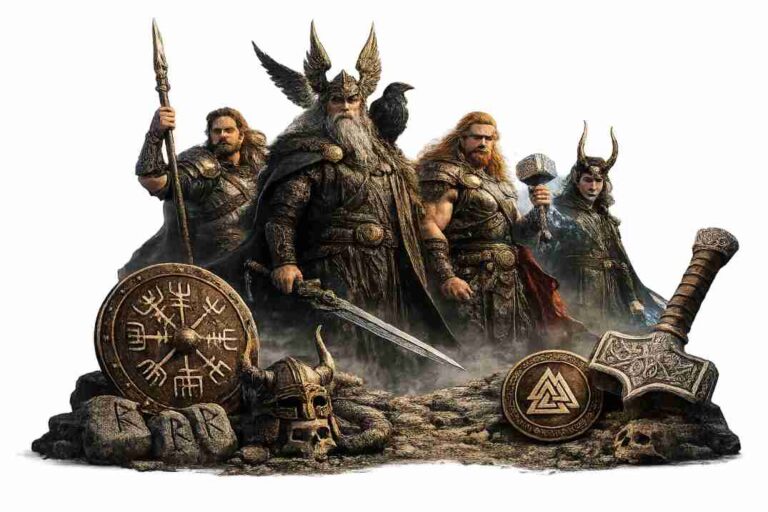
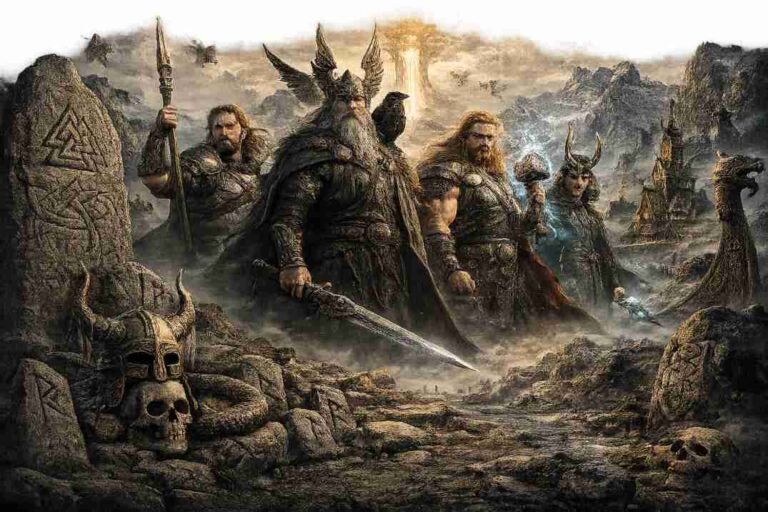
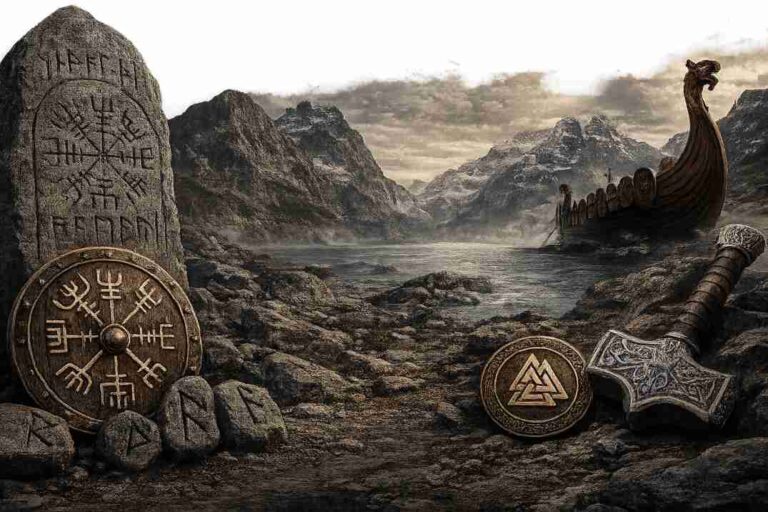
Norse symbols remain deeply connected to Viking culture, Scandinavian mythology, and Old Norse spiritual traditions. From the Valknut and Mjölnir to Yggdrasil and Vegvisir, these symbols represented power, protection, destiny, wisdom, and the relationship between humans and the cosmos. This guide explains Norse symbols and their meanings, historical origins, tattoo symbolism, and the deeper interpretations behind famous Viking and pagan symbols.
Quick Answer
Norse symbols were visual signs used in Viking-age Scandinavia to represent gods, protection, ancestry, spirituality, warfare, navigation, and cosmic balance. Famous Norse mythology symbols include Thor’s hammer (Mjölnir), Valknut, Yggdrasil, Vegvisir, rune symbols, ravens, and ancient pagan markings tied to Norse religion and mythology.
What Are Norse Symbols?
Norse symbols were symbolic designs connected to:
- Mythology
- Viking identity
- Pagan beliefs
- Protection
- Fate
- Nature
- Spiritual traditions
Some symbols came directly from archaeological evidence, while others gained popularity through Icelandic manuscripts and later folklore traditions.
Norse Symbolism in Viking Culture
In Norse society, symbols appeared on:
- Weapons
- Jewelry
- Ships
- Memorial stones
- Amulets
- Rune carvings
- Clothing and ornaments
These symbols often reflected both personal identity and spiritual belief.
The Most Important Norse Symbols and Their Meanings
Major Norse Symbols Overview
| Symbol | Meaning |
|---|---|
| Mjölnir | Protection and strength |
| Valknut | Odin and the afterlife |
| Yggdrasil | Cosmic balance and life |
| Vegvisir | Guidance and navigation |
| Helm of Awe | Protection and fearlessness |
| Runes | Writing and symbolic meaning |
| Ravens | Wisdom and observation |
| Triskele | Cycles and spiritual motion |
Each symbol carried layers of cultural and mythological meaning depending on time period and regional tradition.
Mjölnir: Thor’s Hammer Meaning
Mjölnir is one of the most recognized Norse mythology symbols.
What Did Thor’s Hammer Represent?
Mjölnir symbolized:
- Protection
- Strength
- Divine blessing
- Warrior identity
- Defense against chaos
During the Viking Age, people commonly wore hammer pendants as symbols of faith and cultural identity.
Historically, Mjölnir also appeared in rituals connected to marriage, protection, and sacred ceremonies.
Valknut Meaning in Norse Tradition
The Valknut consists of three interlocking triangles and is strongly associated with Odin.
Possible Valknut Meanings
Historians connect the Valknut with:
- Death and the afterlife
- Fallen warriors
- Odin’s spiritual power
- Transition between worlds
The exact historical meaning remains debated because ancient Norse sources never directly explained the symbol.
From what we’ve seen archaeologically, the Valknut often appears near burial imagery and warrior scenes.
Yggdrasil: The Norse Tree of Life Meaning
Yggdrasil is the massive world tree connecting the Nine Realms in Norse mythology.
Tree of Life Norse Meaning
Yggdrasil represented:
- Cosmic structure
- Interconnected worlds
- Life cycles
- Fate
- Wisdom
- Spiritual continuity
Unlike modern “tree of life” interpretations, Yggdrasil was not simply a symbol of peace. It also represented sacrifice, struggle, and cosmic balance.
Realms Connected Through Yggdrasil
| Realm | Meaning |
|---|---|
| Asgard | Realm of the gods |
| Midgard | Human world |
| Helheim | Realm of the dead |
| Jotunheim | Land of giants |
Vegvisir and the Norse Compass Meaning
Vegvisir is often called the Viking compass, although its historical origins are later Icelandic rather than Viking Age.
Norse Compass Meaning
Vegvisir symbolizes:
- Guidance
- Direction
- Safe travel
- Spiritual orientation
According to Icelandic folklore, the symbol helped travelers avoid becoming lost during storms or difficult journeys.
Norse Compass Tattoo Meaning
Modern tattoo meanings connected to Vegvisir include:
- Finding direction in life
- Protection during change
- Inner guidance
- Personal resilience
Ravens and Crow Meaning in Norse Mythology
Ravens played a major role in Norse mythology because of Odin’s companions Huginn and Muninn.
Raven Meaning Norse Tradition
The ravens symbolized:
- Wisdom
- Memory
- Thought
- Observation
- Spiritual awareness
Crow Meaning in Norse Mythology
Crows and ravens were also associated with:
- Battlefields
- Fate
- Death
- Messages from the gods
Historically, ravens became one of the strongest symbols connected to Odin and Viking warfare.
Raven Tattoo Meaning Norse Style
Modern Norse raven tattoos often represent:
- Intelligence
- Transformation
- Ancestral connection
- Viking heritage
Norse Triskele Meaning
The triskele consists of three connected spirals or curved sections.
Symbolic Interpretations
The Norse triskele is commonly linked with:
- Cycles of life
- Spiritual motion
- Balance
- Threefold symbolism
Its exact Norse origin remains debated because similar spiral motifs appear across several ancient European cultures.
Gleipnir Norse Meaning
Gleipnir was the magical binding used to restrain Fenrir, the giant wolf of Ragnarok.
Symbolic Meaning of Gleipnir
Gleipnir represented:
- Restraint
- Fate
- Hidden power
- Inevitable destiny
According to myth, dwarves crafted it using impossible ingredients such as:
- Cat footsteps
- Fish breath
- Mountain roots
Norse Pagan Symbols and Spiritual Meaning
Many Norse pagan symbols reflected the Viking worldview of:
- Fate
- Survival
- Strength
- Cosmic order
- Nature
- Honor
Common Pagan Symbols
| Symbol | Spiritual Meaning |
|---|---|
| Helm of Awe | Protection |
| Valknut | Afterlife connection |
| Runes | Wisdom and language |
| Yggdrasil | Universal balance |
| Mjölnir | Sacred defense |
Historically, symbolism often blended religion, identity, and social tradition.
Norse Bracelets and Jewelry Meanings
Norse jewelry frequently carried symbolic designs connected to mythology and status.
Norse Bracelet Meaning
Bracelets and arm rings symbolized:
- Loyalty
- Wealth
- Oaths
- Warrior honor
- Clan connection
In Viking culture, arm rings were sometimes exchanged as symbols of allegiance and trust.
Ancient Norse Symbols vs Modern Interpretations
Modern Norse symbolism has expanded significantly through:
- Fantasy media
- Tattoo culture
- Modern paganism
- Television and gaming
However, historians often caution against oversimplified interpretations.
Important Historical Context
Some symbols:
- Have unclear original meanings
- Developed later through folklore
- Were adapted by modern spiritual movements
That does not reduce their cultural importance, but historical accuracy matters when interpreting Norse symbolism.
Detailed Breakdown of Norse Symbols
Symbols Connected to Protection
| Symbol | Meaning |
|---|---|
| Mjölnir | Defense and blessing |
| Algiz Rune | Spiritual protection |
| Helm of Awe | Fearlessness |
Symbols Connected to Wisdom
| Symbol | Meaning |
|---|---|
| Ravens | Knowledge and memory |
| Yggdrasil | Cosmic understanding |
| Ansuz Rune | Communication |
Symbols Connected to Fate and Death
| Symbol | Meaning |
|---|---|
| Valknut | Warrior afterlife |
| Gleipnir | Destiny and restraint |
| Hel-related imagery | Death and transition |
Pro Tips and Insider Insights
Not Every “Viking Symbol” Is Truly Viking Age
Some popular Norse symbols became widespread centuries later through Icelandic magical traditions and modern reinterpretations.
Ravens Were More Than Battle Symbols
In Norse tradition, Odin’s ravens represented thought and memory rather than simple destruction or war.
Yggdrasil Symbolized Both Life and Sacrifice
The world tree carried positive meanings, but it also reflected suffering, cosmic struggle, and Odin’s sacrifice for wisdom.
Rune Symbols Were Primarily a Writing System
Although runes gained mystical interpretations later, they originally functioned mainly as practical written characters.
FAQs
What are the main Norse symbols?
The most famous Norse symbols include Mjölnir, Valknut, Yggdrasil, Vegvisir, runes, the Helm of Awe, and Odin’s ravens. These symbols represented protection, wisdom, guidance, cosmic balance, and warrior identity in Norse culture.
What does the Norse compass mean?
The Norse compass, commonly called Vegvisir, symbolizes guidance and protection during journeys. Icelandic folklore describes it as a symbol that helps travelers avoid becoming lost during storms or difficult paths.
What is the Norse tree of life?
The Norse tree of life refers to Yggdrasil, the cosmic world tree connecting the Nine Realms in Norse mythology. It symbolizes life, fate, wisdom, sacrifice, and the interconnected structure of the universe.
What does the Valknut symbol mean?
The Valknut is commonly associated with Odin, fallen warriors, and the afterlife. Its exact historical meaning remains uncertain, but it frequently appears in burial imagery and warrior-related Norse artwork.
What do ravens symbolize in Norse mythology?
Ravens symbolize wisdom, memory, knowledge, and divine observation through Odin’s companions Huginn and Muninn. They were also associated with battlefields, spiritual guidance, and Viking identity.
Are Norse symbols historically accurate in tattoos?
Some tattoo interpretations are historically grounded, while others are modern symbolic adaptations. Many contemporary meanings expand beyond what can be confirmed from Viking-age archaeological evidence.
What does Mjölnir symbolize?
Mjölnir, Thor’s hammer, symbolizes protection, strength, blessing, and defense against chaos. It was one of the most important religious symbols in Viking-age Scandinavian culture.
Conclusion
Norse symbols remain powerful because they combine mythology, identity, spirituality, and history into visual forms that still resonate today. Whether carved into ancient stones or adapted into modern tattoos and artwork, these symbols continue to reflect the Viking worldview of fate, strength, wisdom, and survival.
Final Verdict
Understanding Norse symbols and their meanings offers deeper insight into Viking culture, mythology, and Old Norse traditions. From Mjölnir and Yggdrasil to ravens and runes, these symbols reveal how ancient Scandinavians viewed the cosmos, human destiny, and spiritual identity in ways that still influence modern culture today.
Important Guides
If you want to explore Norse mythology, Viking runes, and Old Norse culture more deeply, these related guides expand on topics covered in this article: